心理护航 | 心解码 —— 春日来信:恋爱不是必修课,但这份恋爱指南你值得拥有
- 2026-07-05 09:02:51



春风拂过校园,新学期的序章已悄然开启。有人奔赴课堂,有人期待心动,但我们始终相信:恋爱从不是大学的必修课。
不必追赶潮流,不必迎合期待,在最好的春日与最好的年纪里,先成为更好的自己,再遇见刚刚好的爱情。
这份聚焦核心需求的探索指南,帮你理清思路,不盲目、不将就,在恋爱课题里帮你找准自己的节奏。


01
关于“是否适合恋爱”的3个信号
靠近爱情前,我们得先给内心做一次“体检”。而这3个问题的答案,会帮助你判断自己是否做好了拥抱亲密关系的准备:
你是享受独处,
还是渴望亲密关系的陪伴?
适合恋爱的信号:独处时能自得其乐,却也偶尔期待“有人分享喜怒哀乐”,对陪伴是“锦上添花”的心态,不因孤独而迫切找伴侣。
还需再思考的信号:独处时极度空虚,依赖社交软件或他人填补空白,把“恋爱”当成逃离孤独的唯一方式,容易因迫切忽略适配度。

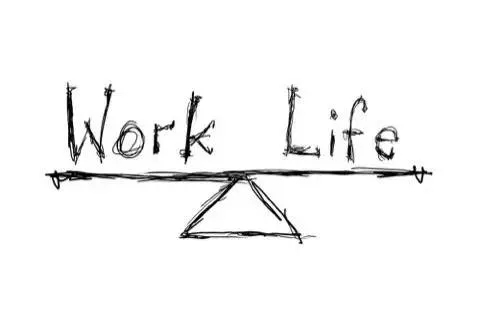
你对未来的规划里,
感情占据怎样的比重?
适合恋爱的信号:有清晰的学业、职业方向(如考研、深耕专业、实习),同时愿意为感情预留合理时间,不让爱情挤占核心成长计划。
还需再思考的信号:未来规划模糊,或正处于关键冲刺期(如备考、创业初期),根本无精力关注他人;或把“恋爱”当成人生唯一目标,愿为对方放弃长期规划。


你会把对方放在什么位置?
适合恋爱的信号:明白“爱人先爱己”,优先关注自身情绪稳定与成长,同时愿意给对方尊重包容,不期待对方填补自己的所有缺口。
还需再思考的信号:渴望对方成为“人生救赎”,想通过恋爱解决原生家庭、自我认同等问题;或为迎合对方完全妥协,把对方需求凌驾于自己之上。


若答案多偏向“适合恋爱的信号”,说明你已具备进入亲密关系的基础;若偏向后者,不妨先专注自我成长,等内心丰盈后再从容拥抱爱情。



02
好感≠爱情:
3组场景帮你看清真实感受

青春期的心动很珍贵,
但一时的好感容易被误读为爱情。
别着急投入,先通过这些场景分辨清楚:

场景一:对方帮你解决困难后
仅有好感时:温暖的“及时雨”。当下满心感激,觉得对方靠谱又友善,但这份感觉如潮水般会自然退去。若无持续的交集,印象会慢慢淡忘,最终凝结为一句礼貌的“谢谢”。
爱的萌芽信号:穿越感激的好奇。你不仅产生了感激,还好奇对方的生活,会主动创造话题,想深入了解他的内在。
场景二:发现对方的小缺点时
仅有好感时:脆弱的“完美滤镜”。一旦发现对方不如想象中完美,容易产生“塌房”的落差感,好感度下降,甚至刻意回避。
爱的萌芽信号:融化滤镜的温暖接纳。接受“人无完人”,觉得小缺点让他更真实,不否定彼此的契合,还想一起变好。

场景三:面临选择冲突时
仅有好感时:情绪化的“输赢博弈”。容易感到委屈,认为对方“完全不考虑我的感受”,矛盾常升级为情绪对抗,通过争吵来证明自己应该被重视。
爱的萌芽信号:走向平衡的主动构建。看到对方的需求,考虑适度妥协,让两人都舒适一些。比如自然地商量“我先追两集,之后再陪你吃饭”,学习平衡“我”与“我们”。
真正的爱意,往往不是在完美无瑕的心动中瞬间降临,而是在这些细微觉察、主动理解和温柔平衡中,一点点浮现。
警惕把一时的新鲜感当成爱情,给彼此一点时间,让真心慢慢沉淀。

03
健康恋爱的3个标志:
进入关系后,更要好好爱自己
确认自己适合恋爱、也认清真心后,更要知道:好的爱情是“1+1>2”,不是一方迁就另一方,而是彼此滋养、共同成长。健康的恋爱,大多数有以下这3个标志:
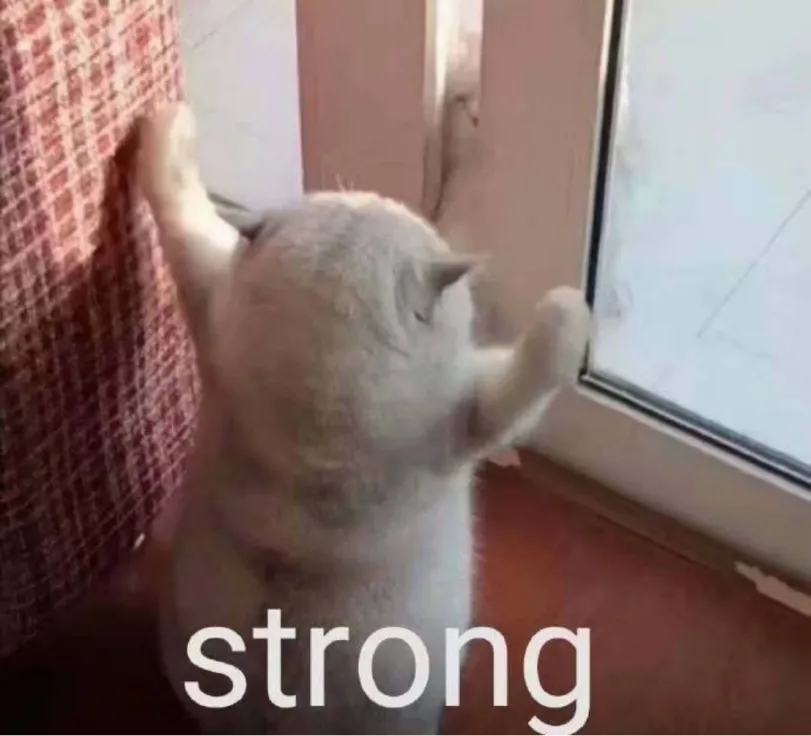
1.保持独立,不失去自我:好的爱情是两个独立的人并肩前行。
不必为爱放弃爱好、朋友或学业,也无需时刻报备、只围着对方转。彼此尊重独立的空间,你依然可以做自己,并成长为更好的人。

2.表达真我,不刻意伪装:好的爱情无需伪装。
不必为讨好对方而假扮“完美”,喜欢热闹就别假装安静,不认同也不必勉强点头。你可以坦诚地表达喜好、顾虑甚至小脾气。真正爱你的人,会因真实而珍惜你,虚假的“契合”终难长久,唯有两个真我才能并肩走远。


3.接纳差异,不强迫改变:恋爱中难免有分歧,但健康的爱情并非强迫对方改变,而是理解彼此的差异,并愿意沟通。
不必因不同而指责否定,不妨尝试寻找平衡点。相互包容与欣赏差异,才是感情长久的关键。



04
咨询师说
恋爱从来不是人生的“必答题”,没有规定答题时间,更没有标准答案。
比起“别人都谈了我也得谈”的盲目跟风,“准备好之后再出发”的从容,才是对自己、对感情最负责任的态度。
当你能坦然面对独处、清晰规划人生、懂得“爱人先爱己”时,内心的丰盈会让你不再急于从感情中寻求填补,而当是认清好感与爱情的区别,明白健康恋爱的模样。
↕️上下滑动,查看更多
Psychological Escort | Heart Decoding – Love Isn't a Required Course, But This Relationship Guide Is Worth Having in Advance
Entering university, seeing couples around you, many students fall into the anxiety of "everyone else is dating, should I too?" But love is never a necessity; it's a choice that follows your heart. What truly matters isn't "whether to follow the trend and date" but "am I really ready to enter a romantic relationship right now?" This guide focusing on core needs helps you sort out your thoughts, avoid blindness and compromise, and find your own rhythm in the journey of love.
I. 3 Signs to Judge "Whether You're Ready for Love"
Before approaching love, we need to give our hearts a "checkup" first. The answers to these 3 questions will help you determine if you're prepared to embrace an intimate relationship:
1. Do you enjoy being alone, or do you crave the companionship of an intimate relationship?
• Sign you're ready for love: You can find joy in being alone, but occasionally look forward to "someone to share joys and sorrows with." You see companionship as "adding flowers to the brocade," not urgently seeking a partner out of loneliness.
• Sign you need to think more: You feel extremely empty when alone, rely on social media or others to fill the void, and treat "dating" as the only way to escape loneliness. You're likely to overlook compatibility due to eagerness.
2. What role does love play in your future plans?
• Sign you're ready for love: You have clear academic and career directions (such as taking the postgraduate entrance exam, delving into your major, or interning), and are willing to reserve reasonable time for love without letting it crowd out your core growth plans.
• Sign you need to think more: Your future plans are vague, or you're in a critical sprint period (such as preparing for exams or the early stage of entrepreneurship) with no energy to focus on others; or you regard "dating" as the sole goal in life and are willing to give up long-term plans for the other person.
3. What position will you place the other person in?
• Sign you're ready for love: You understand "love yourself first," prioritize your emotional stability and growth, and are also willing to show respect and tolerance to the other person without expecting them to fill all your gaps.
• Sign you need to think more: You yearn for the other person to be your "life savior," wanting to solve issues like family of origin or self-identity through love; or you completely compromise to please the other person, putting their needs above your own.
If most of your answers lean toward the "signs you're ready for love," you have the foundation to enter an intimate relationship. If not, it's better to focus on self-growth first and embrace love calmly when your heart is fulfilled.
II. Liking ≠ Love: 3 Scenarios to See Your True Feelings
Adolescent crushes are precious, but temporary liking is easily mistaken for love. Don't rush to invest; first distinguish through these scenarios:
Scenario 1: After the other person helps you solve a problem
• Only liking: A warm "timely rain." You feel grateful at the moment, thinking the other person is reliable and kind, but this feeling fades naturally like the tide. Without continuous interaction, the impression gradually fades, eventually condensing into a polite "thank you."
• Sign of budding love: Curiosity beyond gratitude. You not only feel grateful but also curious about the other person's life, taking the initiative to start conversations and wanting to understand their inner self deeply.
Scenario 2: When you discover the other person's small flaws
• Only liking: A fragile "perfect filter." Once you find the other person isn't as perfect as you imagined, you easily feel the disappointment of "collapse," your liking decreases, and you even deliberately avoid them.
• Sign of budding love: Warm acceptance that melts the filter. You accept "no one is perfect," think small flaws make them more real, don't deny your compatibility, and want to grow better together.
Scenario 3: When facing a conflict of choice
• Only liking: An emotional "win-lose game." You easily feel wronged, thinking the other person "doesn't consider my feelings at all," and conflicts often escalate into emotional confrontation, arguing to prove you deserve attention.
• Sign of budding love: Proactive construction toward balance. You see the other person's needs and consider appropriate compromise to make both of you more comfortable. For example, naturally discussing "I'll watch two episodes first, then go to dinner with you," learning to balance "me" and "us."
True love rarely comes suddenly in flawless heartbeat; it emerges little by little through these subtle perceptions, active understanding, and gentle balance. Be wary of mistaking temporary freshness for love. Give each other some time to let sincerity settle slowly.
III. 3 Marks of a Healthy Relationship: After Entering the Relationship, Love Yourself Even More
After confirming you're ready for love and recognizing your true feelings, it's even more important to know: A good relationship is "1+1>2," not one party accommodating the other, but mutual nourishment and common growth. Most healthy relationships have the following 3 marks:
1. Maintain independence and don't lose yourself
A good relationship means two independent people moving forward side by side. You don't have to give up hobbies, friends, or studies for love, nor do you need to report your whereabouts at all times and revolve only around the other person. Respect each other's independent space; you can still be yourself and grow into a better person.
2. Express your true self and don't pretend deliberately
A good relationship requires no pretense. You don't have to pretend to be "perfect" to please the other person—if you like liveliness, don't pretend to be quiet; if you disagree, don't force yourself to nod. You can honestly express your preferences, concerns, and even small tempers. Someone who truly loves you will cherish you for who you are. False "compatibility" can never last; only two true selves can walk far together.
3. Accept differences and don't force change
Disagreements are inevitable in love, but a healthy relationship isn't about forcing the other person to change, but understanding each other's differences and being willing to communicate. Don't blame or deny because of differences; instead, try to find a balance. Mutual tolerance and appreciation of differences are the keys to a long-lasting relationship.
IV. What the Counselor Says
Love has never been a "required question" in life—there's no specified time to answer it, let alone a standard answer. Compared to the blindness of "everyone else is dating, so I have to too," the calmness of "setting off after being prepared" is the most responsible attitude toward yourself and the relationship. When you can face being alone calmly, plan your life clearly, and understand "love yourself first," the richness of your heart will make you no longer eager to seek fulfillment from a relationship. Instead, you'll recognize the difference between liking and love, and understand what a healthy relationship looks like.
文章内容部分来自网络及文献,如有侵权,请联系原作者删除
- END -
当你遇到自行难以缓解的心理困扰
当你经历生活的低谷需要外部支持
阳光心灵工坊一直在你身边
倾心陪伴,心理护航
每一朵花都期待盛开!
每一个人都值得被爱
往期推荐
1
心理护航|新学期,“心”状态,阳光心灵工坊邀你一起“爱你老己”!
2
心理护航|《高校学生时间管理与压力应对》专题讲座圆满结束
3
心理护航|心解码——总是不想动?揭秘运动背后的四大身心益处
本版编辑 | 谢天瑞 王昊泽
责住翻译 | 谢天瑞 王昊泽
初审| 叶婧瑶 吕悦
终审|吴玉伟